
Today’s music learners can access new features thanks to artificial intelligence and digital innovation. These features would have seemed impossible just a decade ago. Whether you sing, play guitar, work on piano skills, explore electronic music production, or dream of writing your songs, there’s a tool out there for you.
Many of these apps and platforms feel like having a patient teacher. They also act like a music theory coach. They include a whole music library in your pocket. This library has virtual instruments, royalty-free samples, and sound effects. These features make practice more creative.
In this guide, we’ll explore some of the best music tools you can use now. We will cover apps for singers. We will also cover software for instrumentalists. We will discuss beat-making software for producers. We will look at MIDI sequencing and score editing platforms for composers.
We will explain slow-down tools for tricky passages. We will even cover platforms for virtual sheet music. And yes, we’ll also shine a light on Muzeg, one of the most exciting platforms for music learners today.
Before jumping into the list, it’s worth asking: what makes a music learning tool actually useful?
Here are a few things to look for:
The best music tools in 2025 balance these qualities. They make learning enjoyable. You can use AI music tools to generate practice tracks. You can also use an audio interface to record your performances.
Muzeg – Personalized Lessons with Real Teachers
If you like learning from a real person but don’t want to be tied to a fixed location or schedule, Muzeg is worth checking out. It’s an online platform that connects you with experienced music teachers worldwide.
What’s great is that you can filter teachers based on your preferences… instrument, style, language, price, and even availability. Want to learn classical piano on Tuesdays? Or try DJing with someone who speaks Spanish? You can set that up.
It’s not just for complete beginners, either. Intermediate and advanced learners can use Muzeg to refine technique, explore new genres, or get feedback on compositions. The sessions are live, so you can ask questions, get real-time corrections, and have a human cheering you on when you nail that tricky passage.
Why it stands out: It mixes the personal touch of traditional lessons with the flexibility of the digital age, much like online music courses that adapt to your pace.
Other All-in-One Platforms Worth Mentioning
If you sing, even in the shower, pitch training can help you match notes more accurately and expand your range.
These digital tools for learning music are convenient for self-practice. They give instant feedback so you don’t have to guess if you’re hitting the right note. These apps can also help you experiment with tone, effects, and style when combined with vocal processors.
Notation software is a game-changer for anyone who wants to compose or arrange music.
Notation software isn’t just for composers; students can use it to write down practice pieces, explore MIDI sequencing, or understand how songs are built. For advanced users, some programs even support Dolby Atmos mixes for immersive compositions.
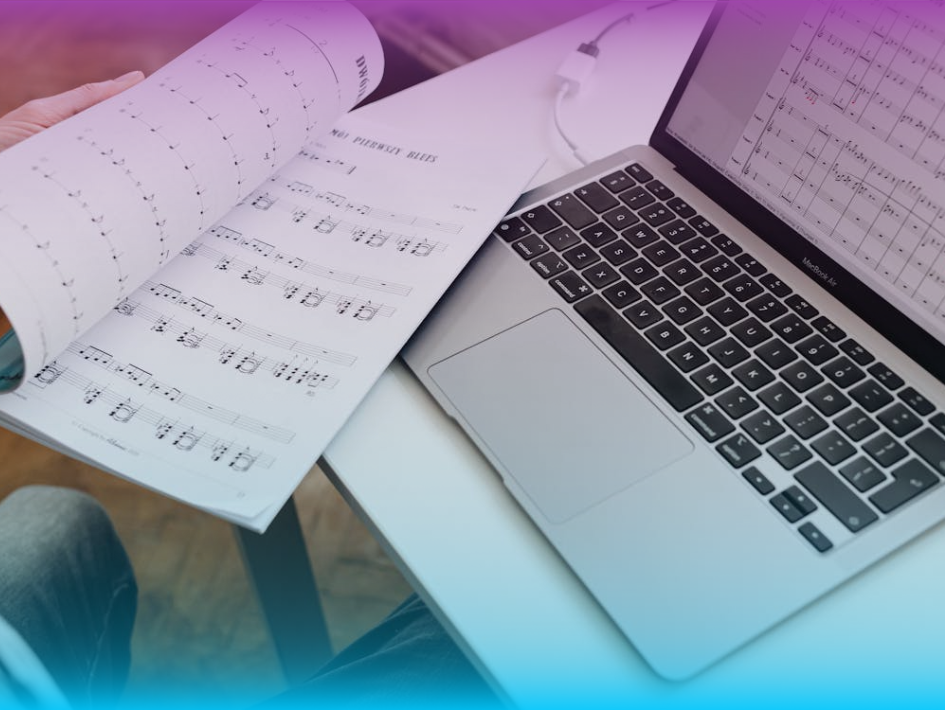
Sometimes a song is too fast to play or sing along with, at least at first. That’s where slow-down tools come in.
Gone are the days of carrying around bulky binders of sheet music.
For performers, this means less paper, easier organization, and the ability to carry their entire repertoire in their bags. Many modern platforms even integrate with pro-level beat-making software or allow score editing directly from their devices.
While the tools above are some of the best music tools in their categories, there are others worth mentioning:

With so many options out there, it can be tempting to try them all—but that can get overwhelming. Here’s a quick way to decide:
In 2025, music learners will have more choices. Today, there are many digital tools for learning music. These include all-in-one platforms like Muzeg, pitch trainers, notation software, slow-down apps, and virtual sheet music libraries. These tools make learning music easier and more interesting.
The best music tools are the ones that fit your style, keep you motivated, and help you progress without making the process feel like a chore. Whether you are learning music theory or experimenting with vocal processors, there is something for every skill level. You can arrange in session view. You can mix in Dolby Atmos.
If you’re ready to take the next step, try one or two of these music tools in 2025 and see how much they can transform your practice. And if you want personalized guidance from a real teacher, Muzeg is a great place to start.
Because in the end, it’s not just about learning notes—it’s about discovering the joy of music, one song at a time.